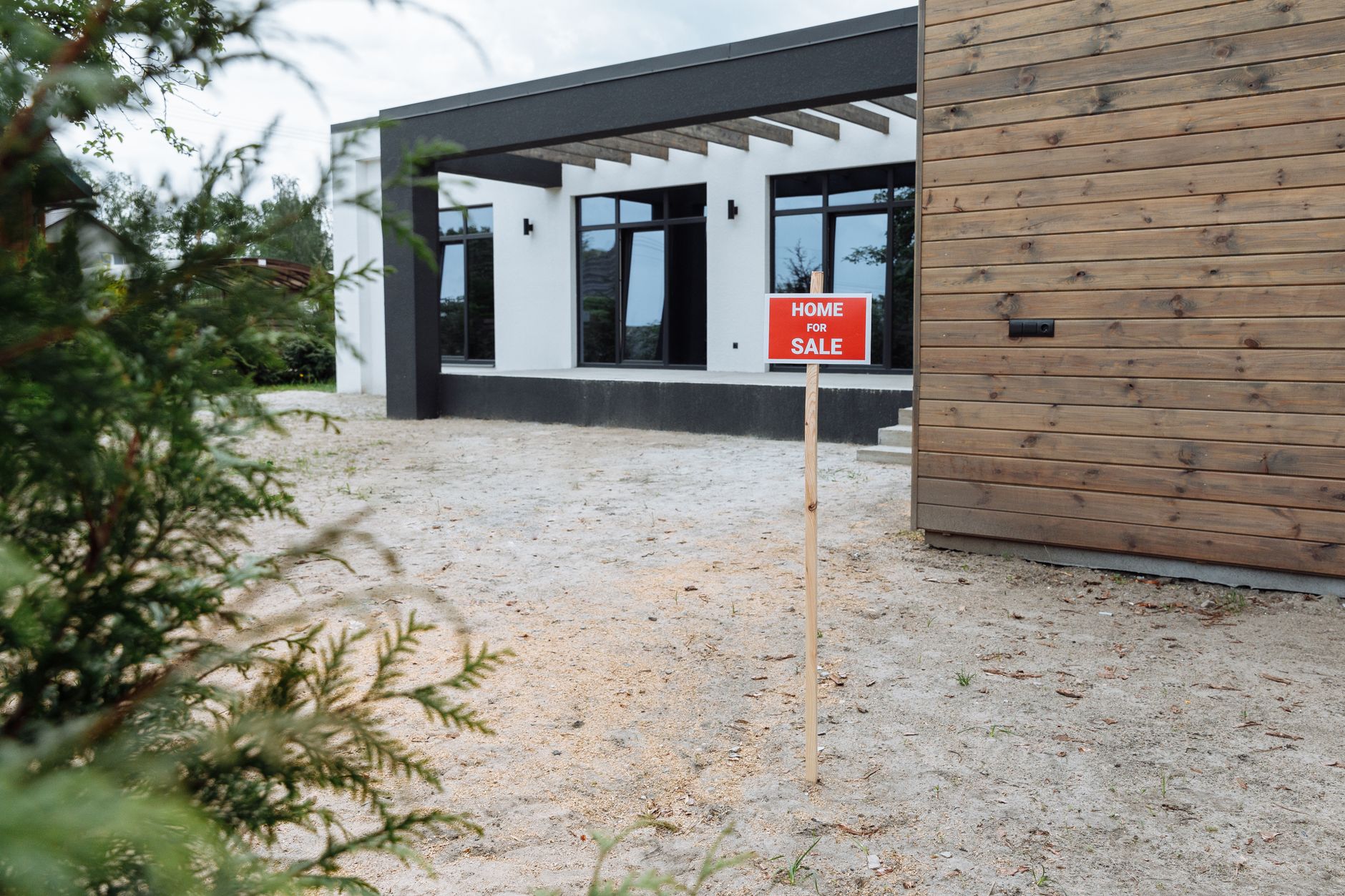
In a stark warning that has sent ripples through the Australian housing market, a major bank has declared that the current property downturn is "just the beginning," predicting further declines in house prices through late 2026 and into 2027. For mortgage borrowers, this means a tightening squeeze on home equity, reduced borrowing capacity for future purchases, and heightened risks for those looking to refinance. The bank's analysis, released on July 13, 2026, suggests that national dwelling values could fall by an additional 8 to 12 percent over the next 18 months, driven by persistent interest rate hikes, slowing population growth, and a surge in listings. This is not a fleeting correction but a structural shift that demands immediate attention from anyone with a home loan or plans to enter the market.
The Anatomy of the Downturn: Why the Bank Says It's Far From Over
The warning, issued by one of Australia's "Big Four" banks—widely reported by Yahoo Finance on July 13, 2026—hinges on three key factors that are converging to create a prolonged slump. First, the Reserve Bank of Australia (RBA) has maintained its cash rate at 4.85 percent since May 2026, the highest level in over a decade, after a series of 13 rate hikes since May 2022. This has pushed variable mortgage rates above 7.5 percent for many borrowers, with some new loans nearing 8 percent. The bank's economists argue that the full transmission of these rate rises is still working through the system, as many fixed-rate loans taken out in 2021 and 2022 at sub-2 percent rates are rolling off onto much higher variable rates. According to the bank's internal data, approximately 35 percent of all outstanding mortgages will reset to variable rates by December 2026, exposing households to payment shocks of $1,200 to $2,000 per month on an average $600,000 loan.
Second, the supply-demand dynamics are shifting against homeowners. The bank notes that new listings have surged by 18 percent year-on-year in the June quarter of 2026, as distressed sales increase and investors exit the market. At the same time, population growth—a key driver of housing demand during the post-pandemic boom—has slowed to 1.2 percent annually, down from 2.4 percent in 2023, due to tighter migration caps and a cooling labor market. This imbalance is putting downward pressure on prices across all capital cities, with Sydney and Melbourne leading the decline. Sydney median house prices have already fallen 7.3 percent from their peak in February 2024, while Melbourne has dropped 6.8 percent. The bank's models project further falls of 5 to 8 percent in these cities by mid-2027.
Third, the bank highlights a looming "equity crunch" that could accelerate the downturn. As property values decline, homeowners who purchased at the peak of the market in 2023–2024 are seeing their loan-to-value ratios (LVRs) deteriorate. The bank estimates that nearly 15 percent of all mortgage holders with LVRs above 80 percent are now in negative equity—meaning their home is worth less than their outstanding loan balance. This figure could rise to 25 percent if prices fall another 10 percent. For these borrowers, selling is not an option without incurring a loss, and refinancing is increasingly difficult because lenders are tightening credit standards. This creates a vicious cycle: fewer transactions, lower demand, and further price declines.
How Falling House Prices Impact Mortgage Equity and Borrowing Power
For the average Australian homeowner, the most immediate consequence of this downturn is the erosion of home equity. Equity is the difference between your property's current market value and the outstanding balance on your mortgage. It serves as a financial buffer—allowing you to refinance to a lower rate, access funds for renovations or investments, or sell without a loss. When house prices fall, this buffer shrinks. Consider a borrower who purchased a $1 million home in Sydney in early 2024 with a 20 percent deposit ($200,000) and an $800,000 loan. If that property is now worth $920,000—a decline of 8 percent—their equity has dropped from $200,000 to $120,000, a 40 percent reduction. Their LVR has risen from 80 percent to 87 percent, pushing them into a higher-risk category for lenders.
This erosion has direct implications for borrowing power. Lenders assess your ability to service a loan based on your income, expenses, and the property's value. When your equity falls, your maximum borrowing capacity shrinks because lenders require a larger deposit (or lower LVR) to mitigate their risk. For example, if you want to buy an investment property worth $600,000, a lender might require a 20 percent deposit ($120,000) if your existing home has strong equity. But if your equity has fallen below that threshold, you may need to bring in additional cash or accept a higher LVR, which triggers mortgage insurance costs and higher interest rates. The bank's report indicates that average borrowing capacity for existing homeowners looking to expand their portfolio has declined by 12 percent since January 2026.
For first-home buyers, the situation is more nuanced. Lower house prices could theoretically improve affordability, but the tightening credit environment offsets this benefit. Lenders are now applying higher serviceability buffers—typically 3 percentage points above the current rate—meaning a borrower must demonstrate they can afford repayments at an interest rate of 10.5 percent or higher. This has pushed many potential buyers out of the market. According to the bank's data, the number of first-home buyer loans approved in the June quarter of 2026 fell by 22 percent compared to the same period in 2025.
Refinancing is another area where equity erosion bites hard. Many homeowners locked in low fixed rates during 2021–2022 are now facing the "fixed-rate cliff." When they roll off onto variable rates, they often seek to refinance to a better deal. But if their LVR has risen above 80 percent, lenders may decline the application or offer a higher rate. The bank notes that refinancing volumes have dropped by 30 percent year-on-year, as more borrowers are trapped on their lender's standard variable rate—often the most expensive option. For those who can refinance, the average cashback offer has shrunk from $3,000 in 2024 to just $1,000 in mid-2026, reflecting lenders' reduced appetite for risk.
Strategic Responses for Borrowers in a Falling Market
Given this challenging environment, borrowers need to take proactive steps to protect their financial position. The first priority is to assess your current equity position. If you purchased your home within the last three years, get a current valuation from a licensed valuer or use online tools to estimate your property's value. If your LVR is approaching 80 percent or higher, consider making additional repayments to reduce your loan balance. Even small extra payments—say, $200 per month—can help rebuild equity over time. Avoid using your offset account for non-essential spending, as every dollar counts in maintaining your buffer.
Second, if you are facing a fixed-rate roll-off, don't wait until the last minute to act. Start shopping for a new loan at least three months before your fixed period ends. Compare rates from multiple lenders, including smaller banks and credit unions, which may offer more competitive deals for borrowers with strong credit histories. If you have less than 20 percent equity, consider asking your current lender for a "rate review" or "retention offer"—they may reduce your variable rate to keep your business, especially if you have a good repayment history. The bank's data shows that successful retention offers can reduce rates by 0.25 to 0.50 percentage points.
Third, for investors, the downturn presents both risks and opportunities. If you hold negatively geared properties, ensure you have a cash reserve to cover shortfalls during periods of vacancy or lower rental income. The national vacancy rate has risen to 2.8 percent in June 2026, up from 1.5 percent in 2023, meaning finding tenants may take longer. Conversely, if you have strong equity and cash reserves, you may find bargain purchases from distressed sellers. However, proceed with caution—the bank warns that further price falls could erode any gains within 12 months.
Finally, consider locking in a portion of your mortgage with a fixed rate if you believe variable rates will remain high. While fixed rates have risen to around 6.5 to 7 percent for three-year terms, they provide certainty in an uncertain market. The bank's economists expect the RBA to begin cutting rates in the first quarter of 2027, so a short-term fixed rate could bridge the gap until then. However, be aware of break costs if you need to exit early.
For borrowers seeking personalized guidance, a mortgage brokerage like Arrivau can help navigate these turbulent waters. Arrivau's team of brokers can assess your current loan structure, compare offers from over 30 lenders, and negotiate on your behalf to secure better terms. They can also advise on strategies to improve your borrowing capacity, such as consolidating debts or adjusting your repayment frequency. With the market shifting rapidly, having an expert in your corner is more valuable than ever.
FAQ
Q: How much more could house prices fall in 2026–2027?
A: According to the major bank's forecast, national dwelling values could decline by an additional 8 to 12 percent over the next 18 months, with Sydney and Melbourne leading the falls at 5 to 8 percent. This would bring total declines from the peak to around 15 to 20 percent in some markets. However, regional areas with strong migration and mining sectors may see smaller drops of 3 to 5 percent.
Q: What is negative equity, and how does it affect my ability to sell or refinance?
A: Negative equity occurs when your home's market value falls below the outstanding balance on your mortgage. For example, if you owe $500,000 and your home is worth $480,000, you have negative equity of $20,000. In this situation, selling would require you to bring cash to settlement to cover the shortfall, and refinancing is nearly impossible because lenders require at least 5 to 10 percent equity. Your only options are to stay put and continue repayments, or negotiate a short sale with your lender, which can damage your credit score.
Q: Should I fix my mortgage rate now, or wait for variable rates to drop?
A: The decision depends on your risk tolerance and timeline. Fixed rates currently range from 6.5 to 7 percent for three-year terms, while variable rates are around 7.5 to 8 percent. If you believe the RBA will cut rates in early 2027, fixing for two or three years could lock in a lower rate now and provide stability. However, if you expect rates to fall sooner, a variable rate with an offset account might be better, as it allows you to make extra repayments. A broker can run the numbers for your specific loan amount.
Q: How can I improve my borrowing power in a falling market?
A: To boost borrowing power, focus on reducing your debt-to-income ratio. Pay down credit cards and personal loans, avoid taking on new debts, and increase your savings for a larger deposit. Lenders also consider your living expenses—cutting discretionary spending can improve your serviceability assessment. Additionally, consider adding a co-borrower with strong income, or applying for a loan with a smaller lender that uses a lower buffer rate.
Sources and further reading
- Yahoo Finance. "Major bank warns property downturn 'just the beginning'." July 13, 2026. Link
- Reserve Bank of Australia. "Statement on Monetary Policy – July 2026." Link
- CoreLogic. "Home Value Index – June 2026." Link
- Arrivau. "Fixed vs variable mortgage rates: Which is right for you in 2026?" Link
- Arrivau. "How to refinance your home loan with low equity." Link
- Arrivau. "Borrowing power calculator: How much can you borrow in a falling market?" Link
- Australian Bureau of Statistics. "Lending Indicators, June 2026." Link
Want the numbers run for your situation?
Get a free, no-obligation assessment from Arrivau's licensed team — loan, property or migration.
Start a free assessment →