If there’s one lesson Australia’s housing market has taught us over the last ten years, it’s brutally simple: You can’t spend a decade making rental housing more expensive and expect rents to stay low.
For millions of renters across Sydney, Melbourne, Brisbane and beyond, the current rental crisis feels like a sudden shock. In reality, it’s the slow-motion consequence of policy choices, tax tweaks, construction bottlenecks and a regulatory tilt that systematically raised the cost of providing private rental accommodation. When you make the business of rental housing costlier every year, you can’t spend a decade making rental housing more expensive and expect rents to stay low—the bill always lands on the tenant.
At Arrivau, we speak daily with Australian mortgage borrowers, investors and homeowners trying to make sense of this cycle. The core insight we share is that affordability doesn’t disappear; it gets transferred. And right now, it’s being transferred straight into rents.
The Decade-Long Policy Experiment That Pushed Up Costs
You can’t spend a decade making rental housing more expensive and expect rents to stay low if you’ve spent that same decade layering additional costs onto the private rental sector. Look back at the major policy shifts:
First, legislative changes to negative gearing and capital gains tax in 2017 limited investor concessions for established dwellings, reducing the financial incentive to buy and hold rental properties. Second, state governments introduced more onerous minimum standards, with Victoria leading the way on mandatory safety upgrades, heating requirements and electrical safety –necessary protections, but ones that added thousands of dollars to the cost of delivering a rental home. Third, land tax surcharges and vacancy taxes in numerous jurisdictions increased the annual holding cost for investment properties.
Each individual measure might be defensible on its own terms, but together they told a clear story: governments wanted to make rental supply more expensive to produce and maintain, while simultaneously expecting private landlords to absorb those costs silently. But you can’t spend a decade making rental housing more expensive and expect rents to stay low. Landlords, like any business operator, eventually pass higher costs through to prices.
The Supply Gap: How Underbuilding Meets Record Demand
Even without the cost squeeze, the raw economics of supply and demand would have been enough to break the rental market. Dwelling approvals have been in structural decline since 2018, yet Australia added nearly one million people through net overseas migration in just the last two financial years.
You can’t spend a decade making rental housing more expensive and expect rents to stay low when you’re adding demand far faster than you’re adding dwellings. The maths simply does not work. The National Housing Finance and Investment Corporation estimates a shortfall of over 100,000 rental homes by 2027 unless construction rates double. Meanwhile, construction insolvencies hit record highs in 2024, meaning even approved projects stall mid-build.
This supply gap is not a temporary blip. It’s the result of a decade during which planning systems became slower, infrastructure charges rose, and community opposition hardened. Every extra year a project sits in the approval pipeline adds holding costs that must eventually be recouped through higher rents. Again, you can’t spend a decade making rental housing more expensive and expect rents to stay low.
The Investor Exodus and Its Impact on Rental Stock
Rental properties aren’t built by governments in Australia—they’re overwhelmingly supplied by mum-and-dad investors. When those investors withdraw, rental stock shrinks. Over the past five years, investor lending as a share of new mortgages has been volatile, and net investment property sales have at times turned negative.
Why the exodus? Rising interest rates are part of the story, but so is the cumulative weight of ten years of regulatory change that made being a landlord less attractive. When you add land tax increases, tighter tenancy laws that reduce flexibility, and a tax system that no longer rewards the same behaviour, fewer households choose to invest in rental property.
You can’t spend a decade making rental housing more expensive and expect rents to stay low if, at the same time, you’ve incentivised the primary providers of that housing to exit. Fewer rental listings plus steady demand equals exactly what we’re seeing now: sharply higher rents and record-low vacancy rates.
Why Higher Construction Costs Are Permanent
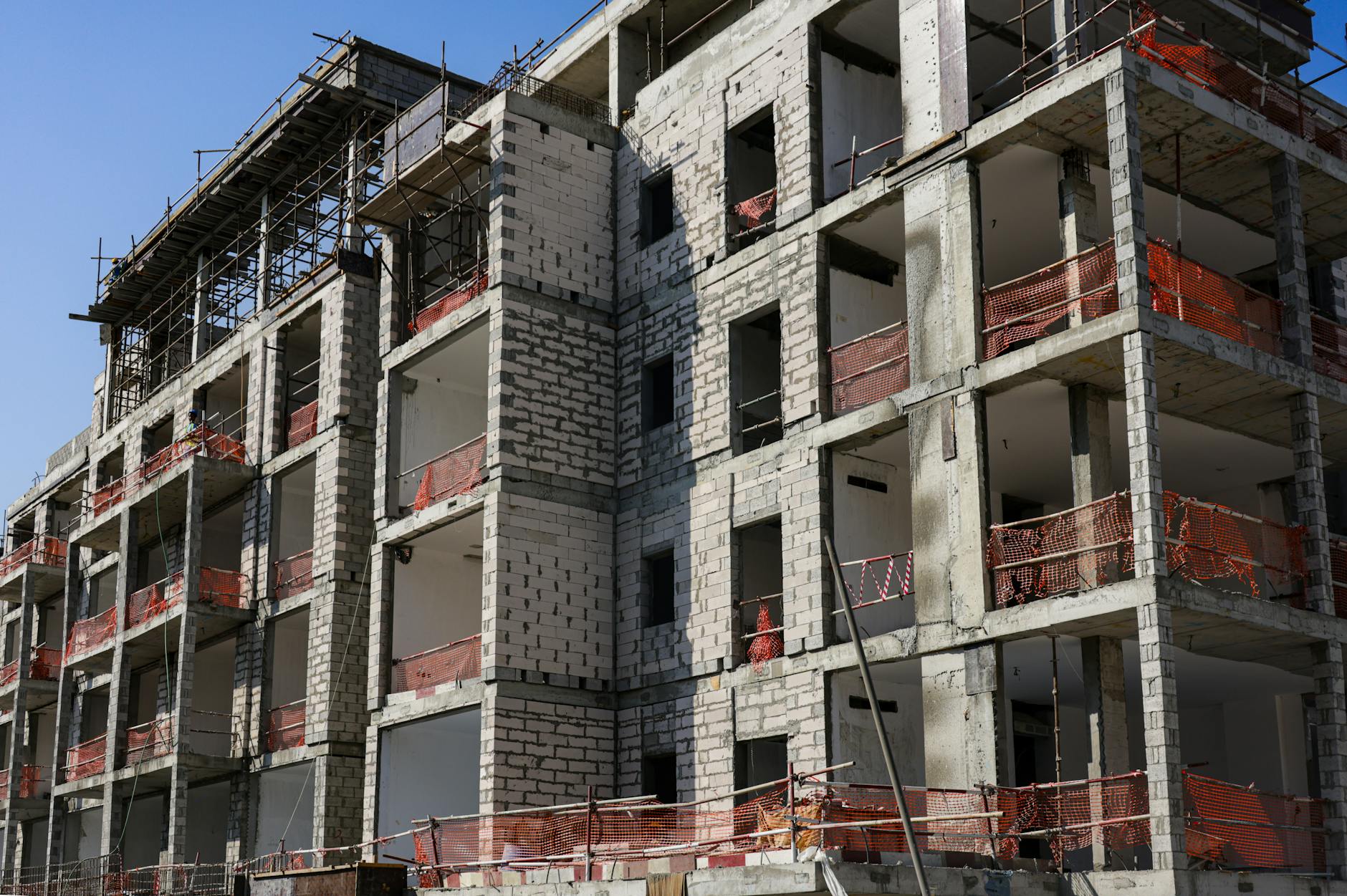
One of the most stubborn drivers of rental inflation is the permanent reset in construction input costs. Timber, concrete, steel and labour all cost significantly more than they did ten years ago, and those increases are baked into every new dwelling.
The Australian Bureau of Statistics shows that residential construction costs have risen over 30% since 2019 alone. Yet the policy response has often been to add further cost through new energy efficiency standards (Nationwide House Energy Rating Scheme upgrades to seven stars), Bushfire Attack Level compliance, and accessibility requirements—again, worthy goals, but every one of them makes the final build more expensive.
When a new apartment now costs $800,000 to produce in Sydney, the rent required to deliver a basic yield pushes well past $700 per week. You can’t spend a decade making rental housing more expensive and expect rents to stay low; the construction account alone makes that impossible.
The Interest Rate Factor: Mortgages and Landlord Costs
Rental prices and interest rates are now intertwined in a way many policymakers underappreciate. The typical Australian investment property is leveraged, meaning interest expenses dominate the cash flow of a rental property. After 13 rate hikes, the cost of servicing an average investor mortgage has roughly doubled from 2020 levels.
Landlords have responded by raising rents where the market allows, or selling where it doesn’t. Either action tightens the rental market. You can’t spend a decade making rental housing more expensive and expect rents to stay low while simultaneously driving up the single largest cost item for property investors. The RBA’s stance on rates may be aimed at inflation, but the transmission mechanism runs straight through the rental market.
For Australian mortgage borrowers thinking about entering the investment space, the message is clear: the days of negative gearing covering substantial shortfalls are over in most capitals unless you are prepared for a long-term view. At Arrivau, we help investors structure finance that accounts for this new reality, balancing capital growth expectations with the very real pressure of holding costs—because you can’t spend a decade making rental housing more expensive and expect rents to stay low enough to make every deal work.
Can Regulation Fix a Crisis It Helped Create?
Talk of rental caps, freezes and stronger tenant protections has intensified as rents have soared. While these measures may offer short-term relief to individual renters, they do nothing to resolve the underlying truth: you can’t spend a decade making rental housing more expensive and expect rents to stay low by simply capping the final number.
Price controls in a supply-constrained market tend to reduce the quality and quantity of available rentals. Landlords exit, stock converts to short-term accommodation or owner-occupier use, and the rental pool shrinks further. Instead, solutions need to focus on lowering the cost of providing rental homes—think faster planning approvals, refundable infrastructure charges for build-to-rent projects, and thoughtful taxation that doesn’t penalise long-term rental supply.
The blunt reality remains that you can’t spend a decade making rental housing more expensive and expect rents to stay low. You can only change the cost curve from this point forward, which requires a different policy mindset: one that treats private rental supply as infrastructure worth nurturing, not a revenue base to be tapped endlessly.
Frequently Asked Questions
Why have rents in Australia risen so quickly?
Rents have surged because of a combination of constrained supply, rising construction and holding costs, increased migration-driven demand, and fewer investment properties entering the market. As this article emphasises, you can’t spend a decade making rental housing more expensive and expect rents to stay low—the price has to adjust upwards to reflect the cost of provision.
Is negative gearing still worth it for property investors?
Negative gearing can still be part of a long-term property investment strategy, but its value depends heavily on your marginal tax rate and the property’s cash flow profile. In a higher-rate environment, the deductions reduce the net loss, but they don’t eliminate the holding cost. Investors should work with a broker like Arrivau to model real numbers, because you can’t spend a decade making rental housing more expensive and expect rents to stay low enough to automatically cover the gap.
Will building more homes solve the rental crisis?
Building more homes is essential, but expensive construction costs mean new supply will still come online at higher rent levels. The solution needs both more supply and lower per-unit costs. Without cost-side reform, you can’t spend a decade making rental housing more expensive and expect rents to stay low just by adding volume at inflated prices.
What should renters do while waiting for the market to correct?
Renters can explore longer leases for stability, consider share-house arrangements, or reassess their location flexibility. The underlying market reality is that housing costs have structurally shifted upwards, which is exactly why you can’t spend a decade making rental housing more expensive and expect rents to stay low—the reset is real and likely persistent.
Conclusion
The Australian rental crisis is not an act of nature. It is the arithmetic conclusion of a decade’s worth of decisions that systematically pushed up the cost of supplying rental accommodation while simultaneously boosting demand. Each year of additional regulation, higher construction costs, increased taxation and tightened monetary policy added a new layer of expense that the private rental market had to absorb.
Yet throughout that decade, the implicit expectation remained that rents would somehow defy gravity and stay affordable. As this analysis has shown, you can’t spend a decade making rental housing more expensive and expect rents to stay low. The only sustainable path forward is to reverse the cost escalation—through smarter planning, lower compliance costs, and a recognition that rental property providers need an economic environment in which supply makes financial sense.
For mortgage borrowers, first-home buyers and existing investors, the lesson is equally clear: understand the cost drivers behind rental yields before you commit, and partner with experts who can match your finance strategy to the real conditions of today’s market. Because, as we’ve argued throughout, you can’t spend a decade making rental housing more expensive and expect rents to stay low—and until the cost side of the equation changes, rents are likely to stay elevated as a matter of economic necessity.
Want the numbers run for your situation?
Get a free, no-obligation assessment from Arrivau's licensed team — loan, property or migration.
Start a free assessment →