
Cross-Guarantee Family Loan: Tax + Liability Trade-Off
A cross-guarantee family loan lets parents use property to support a child's mortgage, but joint liability and ATO tax rules on guarantee fees, CGT and debt forgiveness reshape the deal.
A cross-guarantee family loan lets parents use property to support a child's mortgage, but joint liability and ATO tax rules on guarantee fees, CGT and debt forgiveness reshape the deal.

How Australian lenders treat family trust distribution income within low doc mortgages. Covers ATO trust rules, APRA serviceability, typical LVR caps, and risk premiums for off-balance-sheet income. Read at Arrivau.

Looking for a tradie low doc loan 2026? Four BAS and six-month business bank statements can verify income. Explore eligibility, LVR caps, and interest rates.

Explore the 2026 tradie low doc loan framework: 4 BAS + 6-month bank statements alternative documentation path. Independent Australian analysis of eligibility, lender assessments, and market trends for English-speaking borrowers.

Examine cafe owner low doc lending criteria, interest rate ranges, ATO verification pathways and LVR caps available to hospitality operators in 2026. Information only, not personal financial advice.

Low doc loans for dentist practice owners in 2026: LVR caps at 60%, interest rates 6.84–7.34%, ATO documentation, APRA serviceability rules. Independent Australian analysis. Information only, not personal financial advice.

In 2026, mortgage broker trail income on low doc loans is capped at 0.15% p.a. under new Treasury rules. Self-employed borrower verification and ASIC best interests duty shape the loan. Information only.
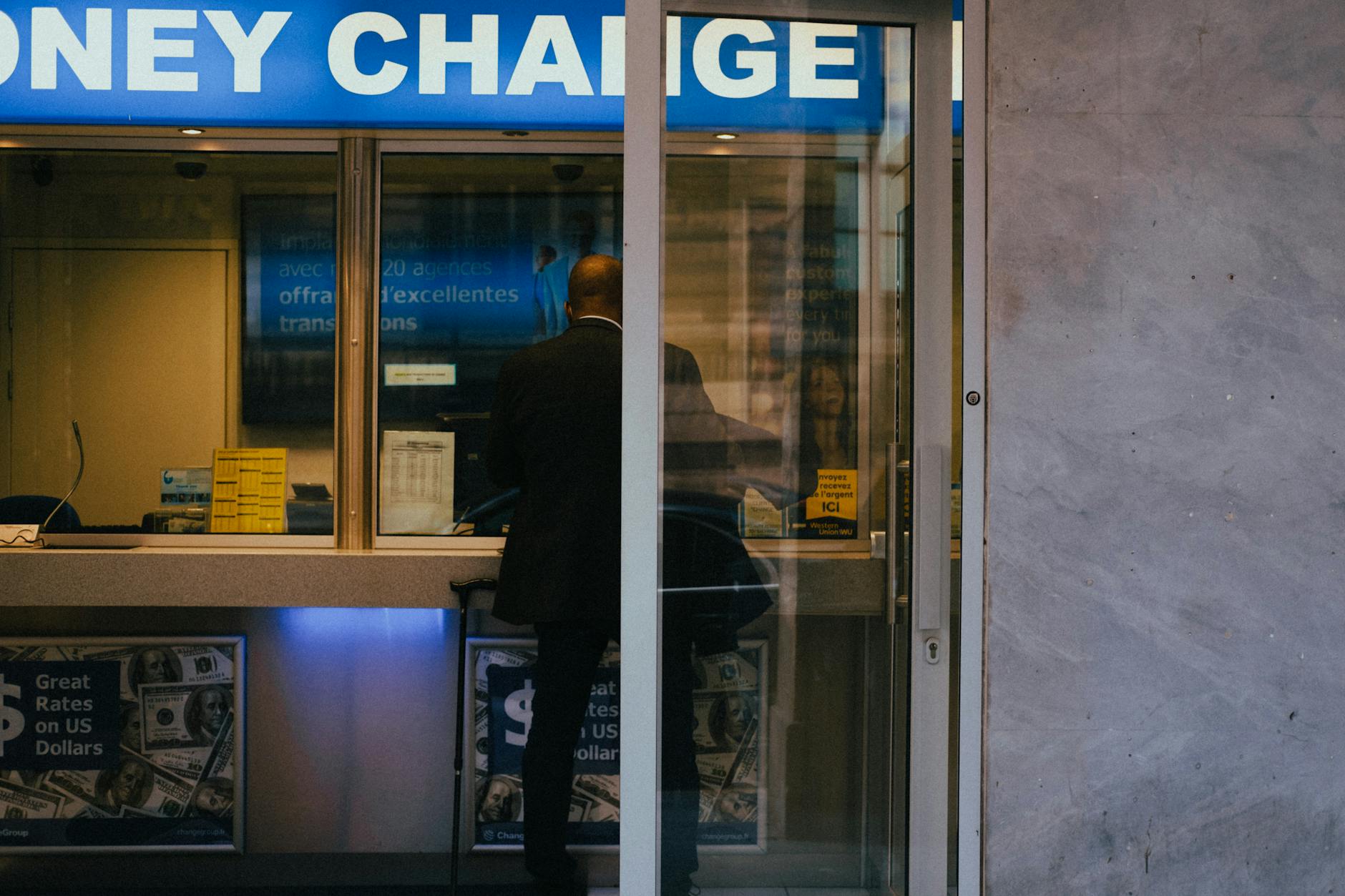
Understand the 2026 Australian mortgage timeline with key 30-, 60- and 90-day regulatory and lending benchmarks. Data-driven guide for English-speaking borrowers.

Explore the 2026 loan timeline benchmarks—30-day pre-approval, 60-day conditional approval, and 90-day full settlement—for Australian mortgage borrowers. Includes FIRB processing times, APRA buffering, and key milestones.

Explore the choice between a divorce refinance home loan and a joint refinance in 2026. Compare settlement costs, serviceability rules, and savings to determine whether refinancing can preserve your marriage and your wealth. Independent Australian analysis.

When mortgage stress pushes a marriage to the brink, divorce refinance home loan pathways—settlement buyouts or joint refi—can reshape outcomes. Analysis with RBA, APRA, and ATO data.
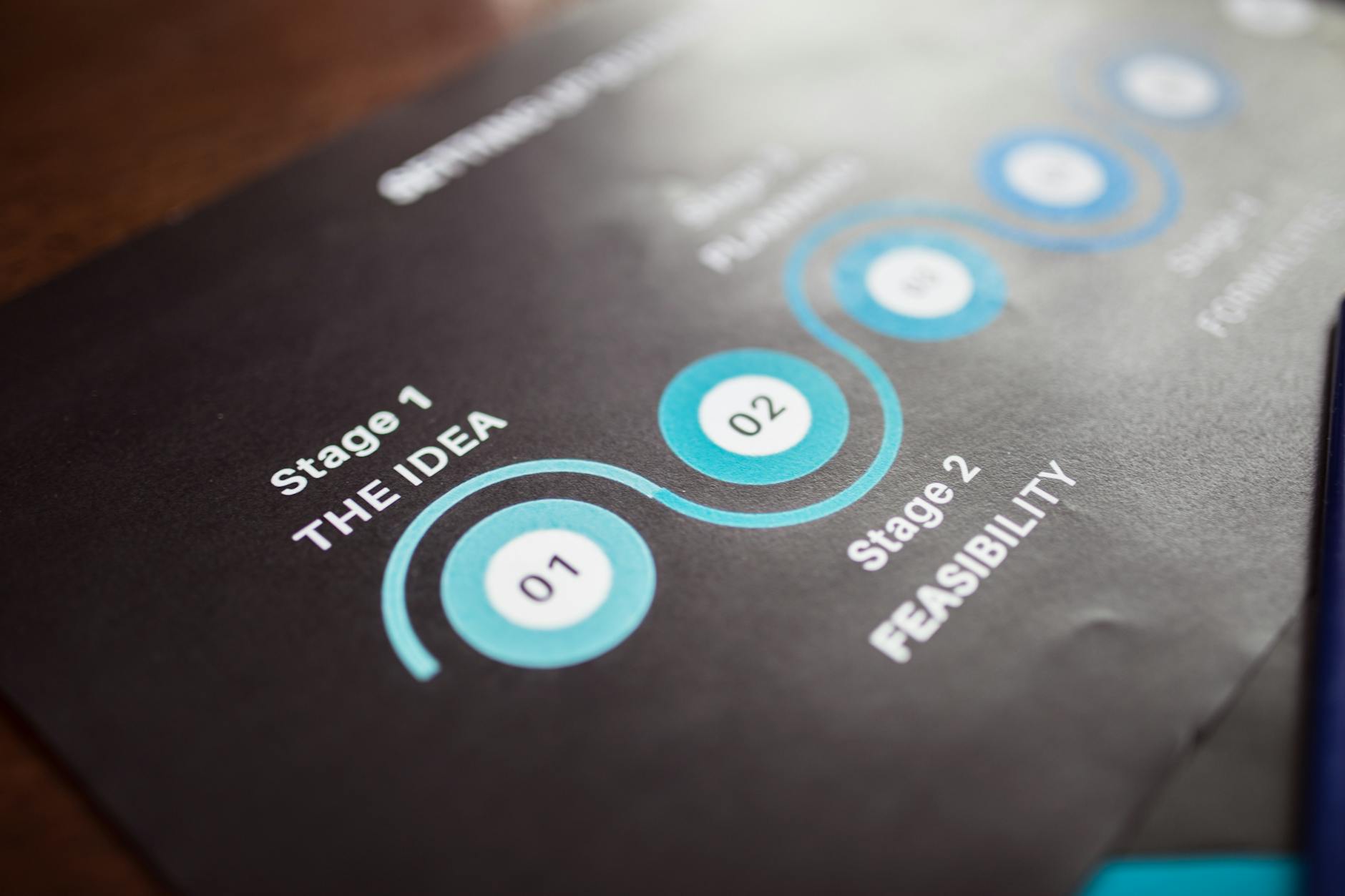
Australian mortgage borrowers facing repayment strain in 2026 can examine six loan restructure avenues—from internal term extensions to formal hardship variations. Independent Australian information.

Compare 6-month and 12-month bridging loan rates and fees for 2026. Detailed cost analysis based on RBA cash rate, APRA limits and lender data. Independent Australian information for informed borrowers.

Compare 6-month and 12-month bridging loan rates and fees for Australian borrowers in 2026. Includes RBA cash rate forecast, APRA serviceability, LVR limits, capitalised interest, and break cost mechanics.
In 2026, Australian mortgage borrowers face a choice between lender-mandated building insurance and independent quotes. Compare costs, coverage gaps, and APRA requirements to save over $1,200 a year.

Lender-mandated building insurance versus independent quotes for Australian home loans in 2026. APRA standards, premium ranges, and under-insurance implications. building insurance home loan 2026 analysis.

Australian mortgage borrowers face evolving loan application fees in 2026. This guide breaks down application costs, discharge fees, and settlement charges under current regulatory benchmarks.

In 2026, Australian property investors face a persistent loan premium of 30–60 basis points above owner-occupier rates, driven by APRA capital rules and serviceability buffers. Understand the full cost breakdown.

Independent Australian comparison of construction loan rates for 2026. Analyse RBA cash rate impact, lender pricing, APRA serviceability buffers, tax implications, and FIRB fees for borrowers. Information only.

A data-driven comparison of 50/50 and 70/30 split loan allocation strategies for Australian mortgage borrowers in 2026, using RBA rates, APRA buffers and scenario analysis. Information only, not advice.

How Australian casual workers and contractors navigate the 12-month same-industry rule for home loans. Income assessment, APRA and ASIC guidance, workarounds. Information only, not personal financial advice.

When a new job starts with a probation period, home loan applications face additional scrutiny. Australian lenders split between 3-month and 6-month probation rules—this guide breaks down LVR, DTI thresholds and documentation required.

Childcare expenses often evade lender expense benchmarks, distorting serviceability. This analysis of the HEM calculator reality unpacks how childcare costs affect Australian mortgage applications, backed by RBA, APRA and Treasury data.

Explores the 7-year path to securing a bankruptcy discharged home loan in Australia in 2026, covering AFSA rules, credit repair, lender criteria and LVR limits.

A default judgment on your credit report does not permanently bar a home loan. Specialist lenders offer pathways after 12–24 months waiting periods with LVRs up to 80% and rates from 9.50% p.a. Understand court processes, APRA guidance and rehabilitation steps.

Australian borrowers with a credit score between 600 and 700 can still secure a home loan in 2026. Explore LVR limits, interest rate ranges, non-bank lenders, and regulatory changes for a credit score 650 home loan. Information only, not personal financial advice.

Home loan refused 2026: Analyse the seven most common reasons Australian lenders reject applications and the exact fix path. Data from APRA, RBA, and FIRB.

Deep-dive into why most Australian lenders decline bridging visa home loan applications, detailing FIRB fees, LVR caps, APRA buffers, and the scarce lending options available.

Guide to temporary visa home loan eligibility in Australia for subclass 482, 485, and 491 holders: lending criteria, deposit needs, FIRB rules, and lender policies.

Independent Australian analysis: non resident loan LVR 2026 capped at 60–70%. Top 5 lenders, FIRB fees from $14,100, rates 7.90–9.50% p.a. Data-driven, no personal advice.

A detailed guide to the construction loan 5 stages progress payment system in Australia, including cash flow planning, interest during construction, and lender requirements.

Owner builder loan LVR typically ranges 60–75%, reflecting heightened construction risk. This analysis covers eligibility, APRA guidance, costs, and common pitfalls for Australian borrowers.

Understand the subdivision loan 2026 landscape for the buy-subdivide-resell strategy. APRA metrics, LVR caps, DTI limits, and tax implications — all cited from Australian authorities.

How Australian lenders treat Airbnb and Stayz income for home loans in 2026. Shading factors, documentary requirements, serviceability calculations and major bank policies.

Explore the granny flat loan 2026 landscape in Australia: STCA vs DA approvals, capital uplift, rental yield calculations, and lender product details. Data-driven, no advice.

A data‑driven comparison of equity release home loans, top‑up facilities, and lines of credit for Australian borrowers in 2026. Covers APRA LVR/DTI limits, RBA cash rate outlook, and ATO interest deductibility rules.

Cross-collateralisation home loans lock in borrowers, cripple refinancing and trigger unintended tax consequences. This deep-dive explains why the structure is almost always a bad idea for Australian mortgagors.

For Australian business owners, a director’s loan add-back can significantly boost borrowing capacity by recasting discretionary withdrawals as assessable income. This guide explains the mechanism, ATO Division 7A constraints, and lender-specific policies to maximise serviceability.

Australian lenders in 2026 cautiously assess crypto income and trading profits for home loans. This guide explains APRA rules, ATO documentation, and lender-specific policies for a successful crypto income home loan 2026 application.

Which Australian lenders accept OnlyFans and adult industry income for a home loan? A guide to income verification, serviceability tests, APRA requirements, and lender policies. OnlyFans home loan insights.

Australian gig economy workers, including Uber drivers, can secure a home loan in 2026 using ATO-assessable ride-share income. This guide covers lender criteria, documentation requirements, APRA serviceability rules, LVR caps, and rate benchmarks for an uber driver home loan.

How plumbers, electricians and builders can verify income for a tradie home loan in 2026. Covers APRA serviceability, ATO documentation, LVR limits and rate ranges to secure a mortgage as a self-employed tradie.

Open banking home loan 2026 will reshape Australian mortgage approvals by turning real-time cash flow into a primary decision input. This analysis covers CDR mandate timelines, APRA capital treatment shifts, and the 7 lender trials already underway.
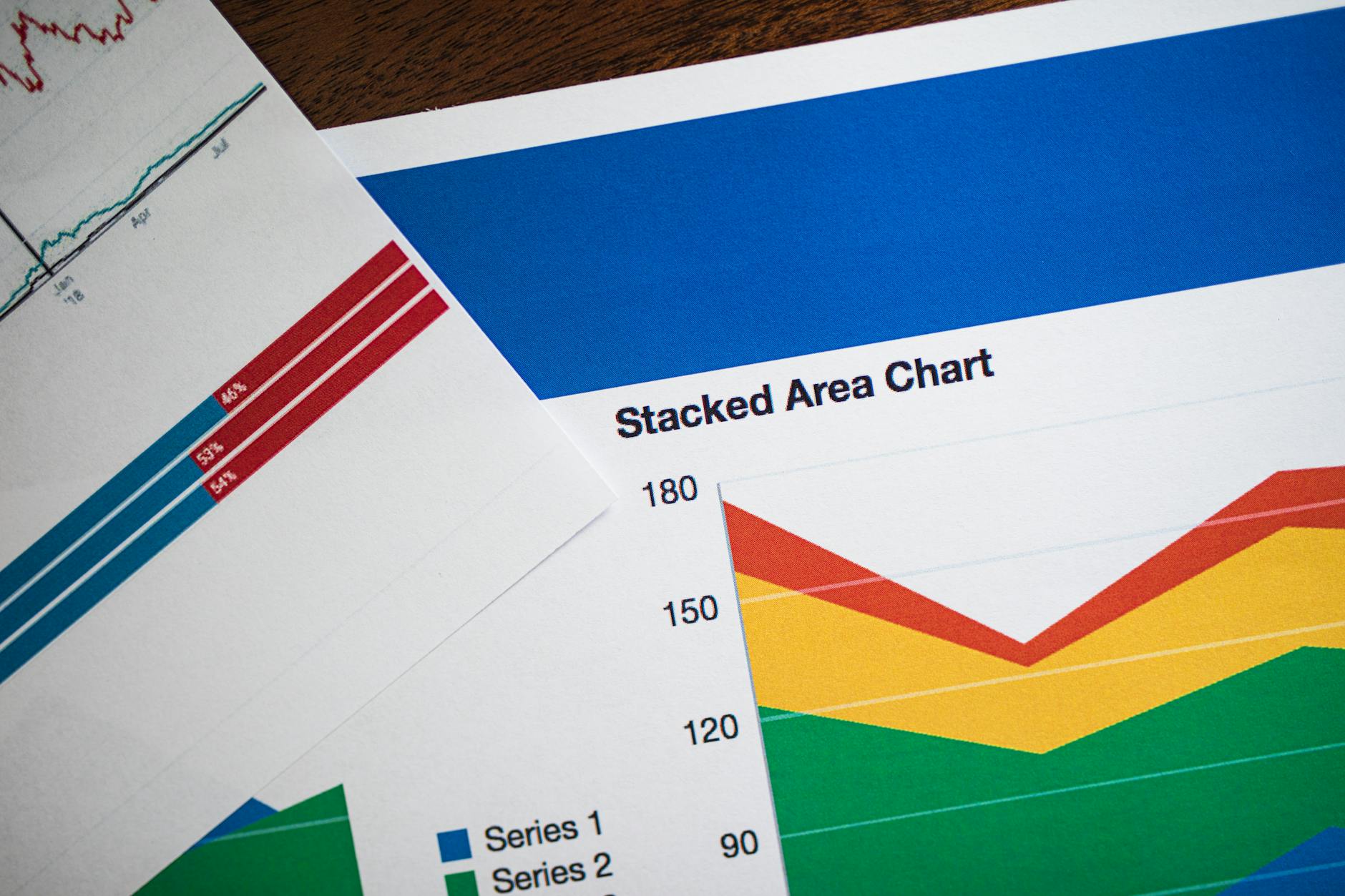
Low doc loan 2026 uses BAS and bank statement income verification for self-employed borrowers. LVR caps, APRA limits, actual rate ranges, and 2026 regulatory outlook. Independent Australian resource.

A detailed guide to the gift letter home loan requirement in Australia, covering a lender-ready template, family loan strategy, tax and FIRB rules, and APRA's genuine savings standards. Information only, not personal financial advice.