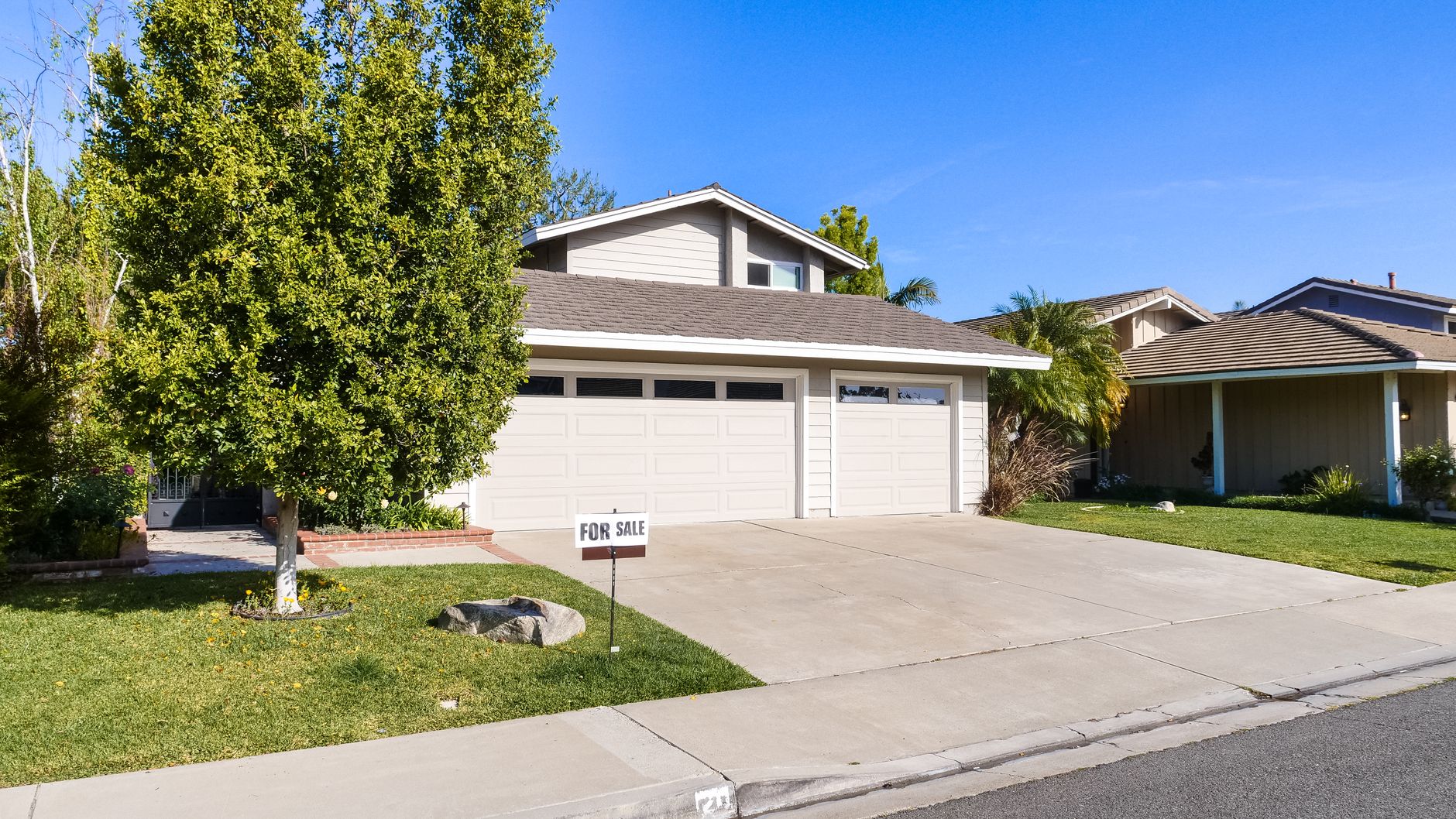
More than 3.5 million Australian households currently manage a mortgage, and for most, the family home is the largest asset they will ever own. Yet the mortgage property market keeps shifting — the Reserve Bank of Australia (RBA) has pushed the cash rate through a tightening cycle, property prices have defied expectations in several capitals, and lenders now offer a dizzying range of home loan products. If you are an Australian borrower trying to navigate a mortgage property loan in 2026, this guide breaks down everything you need to know, from basic definitions to advanced repayment strategies.
1. What Exactly Is a Mortgage Property and How Does It Work in Australia?
A mortgage property is any residential real estate purchase financed by a home loan secured against the property itself. In Australia, when you take out a home loan, the bank or non‑bank lender registers a mortgage over the title. This gives the lender legal rights if you default, but while you continue to make repayments, you hold full ownership of the mortgage property and can live in it, rent it out, or renovate it.
The key components of any mortgage property loan are the principal (the amount borrowed), the interest rate (the cost of borrowing), and the loan term (typically 25 to 30 years). Most Australian mortgage property loans also require a deposit of at least 5% to 20% of the property’s value, with Lenders Mortgage Insurance (LMI) usually required if your deposit is below 20%. Understanding these fundamentals helps you see your mortgage property not just as a roof over your head, but as a long‑term financial commitment that can be optimised.
2. Australian Mortgage Property Market Trends for 2026
The year 2026 is shaping up as a turning point for mortgage property affordability. After a series of rate rises in 2022–2025, the RBA is now widely expected to cut the cash rate moderately, with most major bank economists forecasting a 3.35% cash rate by mid‑2026. If that happens, the average standard variable rate for an owner‑occupier mortgage property could drop to around 5.5–5.8%, down from peaks above 7%.
At the same time, auction clearance rates in Sydney and Melbourne have stabilised, while Brisbane and Perth have continued to see solid price growth driven by interstate migration and limited new supply. For an Australian mortgage borrower, this means the mortgage property you buy in 2026 may come with a slightly lower monthly repayment than it would have a year ago, but entry‑level prices remain stubbornly high in most capital cities. For a typical mortgage property worth $800,000, a 25‑basis‑point rate cut saves around $125 per month — not life‑changing, but enough to ease pressure on household budgets.
Lenders are also slowly relaxing serviceability buffers. APRA’s 3% serviceability buffer rule still applies, but several non‑banks now offer verified income‑based assessments that help self‑employed borrowers qualify for a mortgage property loan more easily than they did in 2023–2025.
3. Choosing the Right Mortgage Product for Your Property
Not all mortgage property loans are created equal, and picking the wrong one can cost tens of thousands in extra interest over the life of the loan. Here are the main choices Australian borrowers face when financing a mortgage property in 2026:
- Variable rate mortgage property loans: The interest rate moves with the market and your lender’s decisions. They offer flexibility — unlimited extra repayments, redraw, and usually an offset account — but your repayments will rise if the RBA raises rates again.
- Fixed rate mortgage property loans: You lock in a rate for one to five years. In early 2026, 2‑ and 3‑year fixed rates are starting to dip below variable equivalents, making them attractive for borrowers who want certainty. However, fixed loans typically limit extra repayments and lack a full offset facility.
- Split mortgage property loans: You fix part of your mortgage property debt and leave the rest variable. This is a prudent middle ground if you expect rates to fluctuate.
- Low‑deposit mortgage property loans: If your deposit is small, look for products with an LMI waiver for professionals (common in accounting, law, and medicine) or government‑supported schemes such as the Home Guarantee Scheme. This can save you thousands when buying your first mortgage property.
Always compare the comparison rate, not just the headline rate, when evaluating a mortgage property offer. The comparison rate includes most ongoing fees and gives a truer picture of the loan’s cost over its term.
4. How to Improve Your Borrowing Power for a Mortgage Property
Even a 0.25% rate cut by the RBA does not mean much if you cannot qualify for the mortgage property you want. Banks assess your borrowing capacity based on income, expenses, existing debts, and the number of dependants. Here are practical steps to boost your position before you apply for a mortgage property loan:
- Reduce credit card limits: Lenders assume you will use the full limit, even if you pay your card off each month. A $10,000 limit could slash your maximum mortgage property loan by as much as $30,000.
- Close buy‑now‑pay‑later accounts: Afterpay and Zip still count as ongoing liabilities in a lender’s eyes.
- Demonstrate consistent income: If you are self‑employed, aim for at least two years of tax returns showing stable or rising earnings. Contractors might need a letter from their employer confirming the contract’s ongoing nature.
- Save a genuine chunk of deposit: The bigger your deposit, the lower the LVR on your mortgage property, which can unlock a cheaper interest rate tier.
- Pay down HECS‑HELP debt cautiously: While reducing your HELP debt increases your take‑home pay, diverting cash away from your deposit could weaken your application. Run the numbers or speak to a mortgage broker.
For non‑residents and temporary visa holders financing a mortgage property, the rules are tighter. FIRB approval is mandatory, and most mainstream lenders cap the LVR at 70–80%. Some specialist lenders will go higher but charge a premium rate.
5. Managing Your Mortgage Property Repayment in Uncertain Times
Once you have settled on your mortgage property, the real challenge begins: staying on top of repayments for the next two or three decades. Australia’s labour market remains tight, but if your income takes a hit, your mortgage property can quickly become a source of stress. Here is how to build a buffer:

- Use an offset account: Every dollar in a 100% offset account reduces the interest calculated on your mortgage property loan without locking the money away. For an $800,000 mortgage property at 6%, keeping $20,000 in offset saves around $1,200 in interest per year.
- Make extra repayments when possible: Even $50 a week can shave years off a mortgage property loan and save thousands in interest. Variable loans usually allow unlimited extra payments at no cost.
- Request a repayment holiday early: If you face genuine hardship, lenders can offer a repayment pause of three to six months. Interest still capitalises, so it is not free money, but it can keep your mortgage property from falling into arrears.
- Refinance proactively: Do not wait until your fixed term ends. A good mortgage broker can review your mortgage property annually and find a cheaper rate. Refinancing a $600,000 mortgage from 6.5% to 5.8% saves around $2,600 in interest in the first year alone.
Australian Securities and Investments Commission (ASIC) data shows that borrowers who review their mortgage property every two years typically save between $2,000 and $3,000 a year, which is a powerful return for a couple of hours’ paperwork.
6. Common Mistakes Australian Mortgage Borrowers Should Avoid
Even savvy borrowers can trip up when they focus too narrowly on the mortgage property purchase price and ignore the finer details. Watch out for these traps:
- Ignoring exit fees and break costs on a fixed‑rate mortgage property loan: Breaking a 3‑year fixed term when rates fall can cost thousands. Always ask for an indicative break‑cost quote before fixing.
- Over‑extending to buy in a “hot” suburb: A mortgage property that stretches your budget to the absolute limit leaves no room for rate rises, maintenance, or life surprises. A sensible buffer is to keep repayments below 30% of after‑tax income.
- Skipping building and pest inspections: A cheaper mortgage property may hide structural defects or termite damage. A $500 inspection could save you a $50,000 repair bill.
- Not seeking professional advice: A licensed mortgage broker can access a panel of 30–40 lenders and often find a mortgage property loan that is 0.3–0.5% cheaper than what your own bank offers.
- Forgetting about ongoing costs: Council rates, strata levies, insurance, and maintenance all add up. Factor at least 1% of the mortgage property’s value per year into your budget for these non‑negotiable expenses.
Frequently Asked Questions
What exactly is a mortgage property?
A mortgage property is real estate that is purchased with a home loan secured against the property. The mortgage acts as the lender’s security until the loan is fully repaid, but as the borrower, you own the property and can use it as you wish — live in it, rent it out, or make improvements — provided you continue meeting your repayment obligations.
How much deposit do I need for a mortgage property in Australia?
Most lenders require a minimum deposit of 5% to 10% of the mortgage property’s purchase price. However, if your deposit is less than 20%, you will usually have to pay Lenders Mortgage Insurance (LMI). Some professionals (such as doctors, lawyers, and accountants) can obtain LMI waivers with deposits as low as 10%.
Can I finance a mortgage property in Australia as an expat or foreign buyer?
Yes, but you will need Foreign Investment Review Board (FIRB) approval, and most Australian banks cap the loan‑to‑value ratio (LVR) at 70–80% for non‑resident borrowers. Specialist lenders may offer higher LVRs for a mortgage property, though often at a higher interest rate.
What are the typical mortgage property interest rates in 2026?
As of mid‑2026, owner‑occupier variable rates for a mortgage property generally range from 5.5% to 6.2%, depending on the LVR and loan size. Fixed rates for two to three years can be slightly lower, around 5.3–5.8%. Rates will shift with RBA decisions, so check the comparison rate before committing to any mortgage property loan.
How does an offset account help with my mortgage property?
A 100% offset account acts like a transaction account linked to your mortgage property loan. Every dollar held in the offset reduces the loan balance on which interest is calculated, effectively giving you a tax‑free return equal to your mortgage rate without locking up your savings.
What should I do if I struggle to repay my mortgage property loan?
Contact your lender immediately. Australian banks are required to consider hardship applications, which can include temporary repayment pauses, interest‑only periods, or an extension of the loan term to make your mortgage property repayments more manageable. Early action is key — ignoring the problem can lead to default notices and ultimately repossession of the mortgage property.
The Bottom Line on Your Mortgage Property Journey
A mortgage property is more than a transaction — it is a long‑term financial relationship that can build household wealth if managed wisely. In 2026’s shifting rate environment, the Australian borrower who stays informed, shops around every two years, uses an offset account, and maintains a repayment buffer is best positioned to turn a mortgage property into a stable asset rather than a burden. Start by reviewing your current loan, understanding your borrowing power, and speaking to a licensed mortgage professional who can tailor a mortgage property solution to your circumstances.
Want the numbers run for your situation?
Get a free, no-obligation assessment from Arrivau's licensed team — loan, property or migration.
Start a free assessment →