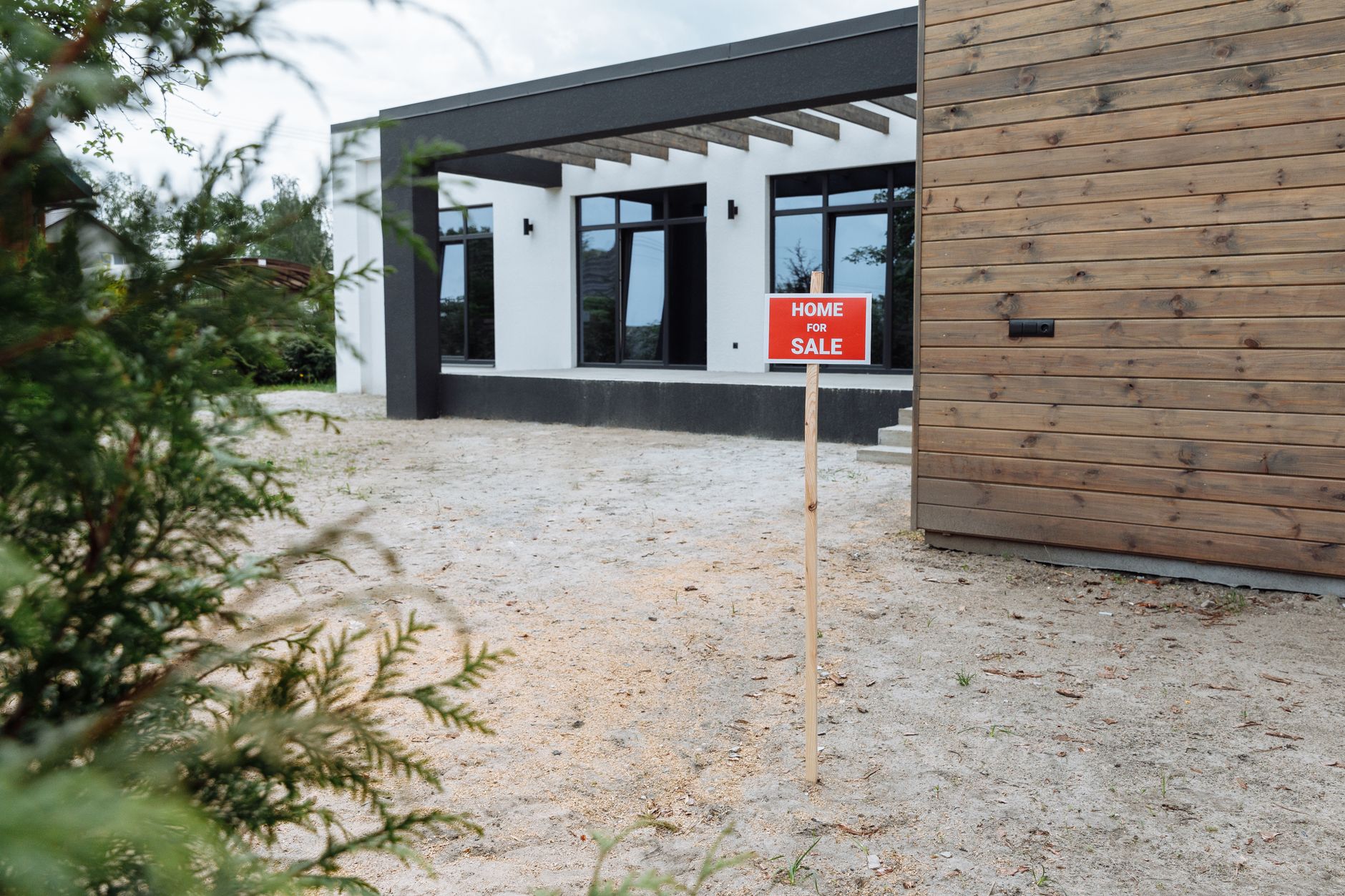
Auction clearance rates across Australia’s major capitals have rebounded to a seven-week high, reaching 68.4% in the week ending July 11, 2026, according to CoreLogic data. This marks a sharp reversal from the mid-June trough of 61.2%, driven by a combination of lower-than-expected inflation figures and the Reserve Bank of Australia’s decision to hold the cash rate at 4.10% in July. For mortgage borrowers, this resurgence signals renewed buyer confidence—but it also raises questions about affordability, competition, and whether now is the right time to lock in a loan.
The Data Behind the Bounce
The national auction clearance rate of 68.4% represents the highest level since late May 2026, when the rate stood at 69.1%. Sydney led the recovery with a clearance rate of 71.2%, up from 64.5% the previous week, while Melbourne climbed to 66.8% from 60.3%. Smaller capitals like Brisbane and Adelaide also posted solid gains, with clearance rates of 63.5% and 72.1%, respectively. The total number of auctions rose to 1,847, up from 1,632 the prior week, suggesting that vendors are testing the market with greater confidence.
This data is significant because auction clearance rates are often viewed as a leading indicator of property market health. A rate above 60% is typically considered a seller’s market, while below 50% signals buyer weakness. The current rebound suggests that the market is absorbing the impact of elevated interest rates better than many analysts had feared. The RBA’s decision to keep rates steady at 4.10% in July, following a surprise hold in June, has provided a degree of certainty that has encouraged fence-sitters to act.
However, it is important to note that clearance rates can be volatile week-to-week, and the current figure remains below the 70% threshold that would indicate a robust recovery. The market is still grappling with high borrowing costs and tight lending conditions, which are filtering through to mortgage demand. According to the Australian Bureau of Statistics, new loan commitments for owner-occupiers fell 1.2% in May, the latest month for which data is available, indicating that some buyers remain cautious.
Implications for Mortgage Borrowers
For borrowers, the rebound in clearance rates is a double-edged sword. On one hand, it signals that property values may stabilise or even rise in the near term, which is positive for homeowners and investors concerned about negative equity. On the other hand, it could mean more competition at auctions, pushing prices higher and making it harder for first-home buyers to break into the market.
The RBA’s cash rate decision is the single most important factor shaping mortgage rates right now. With inflation at 3.6% in the June quarter, down from 4.0% in March, the central bank has room to hold steady, but it has not ruled out further hikes if inflation proves sticky. This uncertainty means that variable-rate borrowers are exposed to potential increases, while fixed-rate borrowers who locked in during the pandemic are rolling off at much higher rates.
A key trend emerging from the clearance rate data is the divergence between segments of the market. Premium properties in sought-after suburbs are selling well, while lower-priced homes are seeing softer demand. This mirrors the mortgage market, where borrowers with strong equity and serviceability are faring better than those with thinner buffers. According to a recent report from the Australian Prudential Regulation Authority, the share of new loans with a debt-to-income ratio above six times has declined to 22%, down from 27% a year ago, as lenders tighten their criteria.
For borrowers considering entering the market, the current environment demands careful planning. Pre-approval is essential, as auction success often hinges on having finance in place. Comparison shopping for rates is also critical—lenders are offering competitive deals to attract quality borrowers, but the average variable rate remains around 6.8%, according to RateCity. Fixed rates have edged down slightly, with three-year terms now available at 6.2% from some lenders, but the gap between fixed and variable is narrowing.
Strategic Considerations for Buyers and Investors
The rebound in clearance rates suggests that the market is finding a floor, but it is not yet clear whether this is a genuine recovery or a temporary bounce. Borrowers should approach with caution, focusing on their long-term financial position rather than short-term market sentiment.
For first-home buyers, the key is to look beyond clearance rates and consider the broader economic backdrop. The RBA’s July statement noted that household consumption remains subdued, and the labour market is showing signs of softening, with the unemployment rate edging up to 4.2%. This could lead to further rate relief later in the year, but it also means that job security is a growing concern. Borrowers should stress-test their ability to service a loan at rates up to 9% to account for potential increases or income shocks.
For investors, the clearance rate data provides a useful gauge of demand in specific markets. Sydney’s inner-ring suburbs are seeing strong interest, particularly from downsizers and upgraders, while Melbourne’s outer suburbs remain softer. Investors should focus on properties with strong rental yields, as the rental market remains tight—vacancy rates are at 1.3% nationally, according to SQM Research, pushing rents higher. However, higher interest costs are eating into net returns, making it crucial to secure a competitive rate.
Refinancing is another option worth exploring. With lenders competing for business, borrowers who have built equity can potentially lower their monthly payments by switching to a better deal. For example, a borrower with a $600,000 loan at 6.8% could save around $150 per month by refinancing to a rate of 6.2%, depending on fees and loan features. Arrivau’s mortgage brokers can help assess whether refinancing makes sense based on individual circumstances.
It is also worth noting that the clearance rate rebound has been supported by a lower volume of auctions compared to the same period last year. Total listings are down about 8% year-on-year, which is limiting supply and supporting prices. This dynamic could persist if vendors remain reluctant to sell in a high-rate environment, creating a floor under prices but also constraining choice for buyers.
FAQ
Q: What is a healthy auction clearance rate?
A: A clearance rate above 60% is generally considered a seller’s market, indicating strong demand relative to supply. Rates between 50% and 60% suggest a balanced market, while below 50% points to buyer weakness. The current national rate of 68.4% is healthy but not overheated.
Q: How do auction clearance rates affect mortgage rates?
A: Clearance rates do not directly influence mortgage rates, but they reflect broader market sentiment. Strong clearance rates can lead to higher property prices, which may increase loan sizes and require borrowers to demonstrate greater serviceability. Lenders also monitor clearance rates as an indicator of risk.
Q: Should I buy now or wait if clearance rates are rising?
A: It depends on your personal circumstances. Rising clearance rates may indicate that prices are bottoming out, but they also mean more competition. If you have secure employment, a solid deposit, and pre-approval, buying now could lock in a price before further increases. However, if you are stretching your finances, waiting for more rate clarity may be prudent.
Q: What is the outlook for clearance rates in the coming months?
A: CoreLogic data suggests that clearance rates could continue to trend higher if the RBA holds rates steady and inflation moderates. However, a spike in unemployment or a surprise rate hike could reverse the trend. The spring selling season, starting in September, will be a critical test of market strength.
Sources and Further Reading
- CoreLogic, "Weekly Auction Market Review," July 12, 2026.
- Reserve Bank of Australia, "Monetary Policy Decision," July 7, 2026.
- Australian Bureau of Statistics, "Lending Indicators, May 2026," July 3, 2026.
- SQM Research, "Weekly Property Report," July 11, 2026.
- RateCity, "Home Loan Rate Trends," accessed July 12, 2026.
- Australian Prudential Regulation Authority, "ADI Property Exposure Data," June 2026.
- Arrivau, "Understanding Auction Clearance Rates and Your Mortgage," /mortgage-guides/auction-clearance-rates/.
- Arrivau, "Current Home Loan Rates Comparison," /rates/.
- Arrivau, "Refinancing in a High-Rate Environment," /mortgage-guides/refinancing-high-rates/.
Want the numbers run for your situation?
Get a free, no-obligation assessment from Arrivau's licensed team — loan, property or migration.
Start a free assessment →Keep reading