Reddit r/FirstTimeHomeBuyer: I Did It! West Tokyo, $106K USD, 1.1% – What It Means for Australian Home Loan Borrowers
A recent post on Reddit r/FirstTimeHomeBuyer: I did it! West Tokyo, $106K USD, 1.1% has taken social forums by storm. The buyer, reportedly an expat or a foreign national, managed to purchase a 45-square-metre apartment in a well-connected West Tokyo suburb for the equivalent of roughly AUD $158,000, locking in a jaw-dropping 1.1% fixed interest rate. For Australian mortgage holders battling rates hovering around 5.5% to 6.5%, this feels like reading about a parallel universe. At Arrivau, we wanted to unpack what this viral deal really represents, how Australian first-home buyers should interpret it, and whether there are any legitimate lessons to borrow from the Japanese property finance market.
Breaking Down the Viral West Tokyo Purchase
The Reddit r/FirstTimeHomeBuyer: I did it! West Tokyo, $106K USD, 1.1% story goes beyond an attention-grabbing headline. The original poster described a 1LDK (one-bedroom, living-dining-kitchen) apartment built in the early 1990s, about a 10-minute walk from a major train line connecting to Shinjuku in 30 minutes. The property was not newly renovated but was structurally sound and move-in ready. With a 10% deposit and a local bank mortgage, the buyer secured a 35-year term at 1.1% fixed for the first five years, stepping to 1.5% afterward. No stamp duty, no foreign buyer restrictions applied because the individual was a long-term resident.
Crucially, Japan’s ultra-accommodative Bank of Japan policy has kept borrowing costs near zero for decades, while property prices in non-central Tokyo wards have stayed remarkably flat. This combination allowed a moderate-income buyer to leap into homeownership at a price point that seems fictional from an Australian vantage point.
How a 1.1% Interest Rate Compares to the Australian Mortgage Landscape
For Australian mortgage borrowers, 1.1% is more than a low number – it’s a financial time capsule. Even at the height of pandemic-era RBA cuts, the lowest standard variable rate touched around 1.99% for a brief window, and fixed rates bottomed just under 2%. Today, the typical new-owner-occupier variable rate sits close to 6.0%, with many broker-originated loans in the high 5s. That means an AUD $500,000 loan in Australia costs roughly $2,997 per month in principal and interest. In Japan, a similar-sized loan at 1.1% would cost only $1,650 per month.
This massive gulf stems from different inflation environments and central bank mandates. The RBA targets 2–3% inflation and has raised rates aggressively to curb consumer prices. The Bank of Japan, meanwhile, only recently and tentatively lifted its negative rate policy, and mortgage rates remain at generational lows. For an Australian first-home buyer, that spread can feel deeply unfair, but it highlights why timing and geography matter as much as income.
| Loan Amount (AUD) | 1.1% Interest Rate (Japan-style) | 5.9% Interest Rate (Current AUS Typical) |
|---|---|---|
| $300,000 | $974/month | $1,779/month |
| $500,000 | $1,623/month | $2,965/month |
| $800,000 | $2,597/month | $4,743/month |
| Monthly repayments based on 30-year principal & interest loan |
Could an Australian Investor or First-Home Buyer Purchase Property in Japan?
This is the inevitable follow-up question from anyone who sees the Reddit r/FirstTimeHomeBuyer: I did it! West Tokyo, $106K USD, 1.1% headline. The short answer is yes, non-residents can buy property in Japan, but securing a local mortgage is another story entirely. Japan has no legal barriers to foreigners owning land or houses outright. However, Japanese banks rarely lend to non-residents without permanent residency, a local employment contract, and a demonstrated tax history in Japan. Some international banks and specialty lenders offer expat loans, but the interest rate will be significantly higher – commonly 2.5% to 4.5% for non-residents, still attractive compared to Australian rates but not the mythical 1.1%.
For an Australian borrower, the most viable path would be either:
- Buying in cash using equity released from an Australian property
- Using a cross-border mortgage broker who can negotiate with specific institutions in Japan
- Establishing residency first and then applying for a local home loan
None of these routes are straightforward. The FIRB does not apply, but Australian tax residents still need to report foreign property income and may face capital gains tax implications when selling.
Lessons Australian First-Home Buyers Can Take from This West Tokyo Success
While you can’t simply import Japan’s interest rates, this virality reveals several strategic angles that Australian buyers should consider:
1. The Power of Geographic Flexibility
The original poster didn’t stay in central Tokyo – they went west to a commuter town where prices drop dramatically. In Australia, a similar mindset means looking at regional centres, emerging corridors in Western Sydney, or towns within commutable distance to Melbourne or Brisbane. Prices in Moe, Melton, or Ipswich can be $200K–$350K for a house, which, while more expensive than West Tokyo’s $106K USD, remains achievable with a solid deposit.
2. Low Rates Are a Leverage Game
The 1.1% rate made borrowing almost free. In Australia, the best way to mimic this advantage is to hack the borrowing rate: use offset accounts aggressively, consider building a deposit with the First Home Super Saver Scheme, or explore family guarantee loans that reduce lender risk and potentially secure sharper pricing.
3. Buying Older, Functional Properties
Tokyo’s 1990s apartment wasn’t glamorous, but it was functional. In Australia, an older unit or a fixer-upper in a good area can deliver the same essential outcome: homeownership at a lower entry price. Avoid new builds if stamp duty savings don’t offset the developer’s margin.
4. Understanding Depreciation and Building Age
Japan has a peculiar real estate culture where older buildings depreciate quickly and land is the real store of value. While Australian properties generally appreciate over time, apartments and older homes in certain markets can also stagnate. It’s worth studying local long-term growth trends before committing.
The Reality of Japanese Property: Why It Isn’t the El Dorado for Aussies
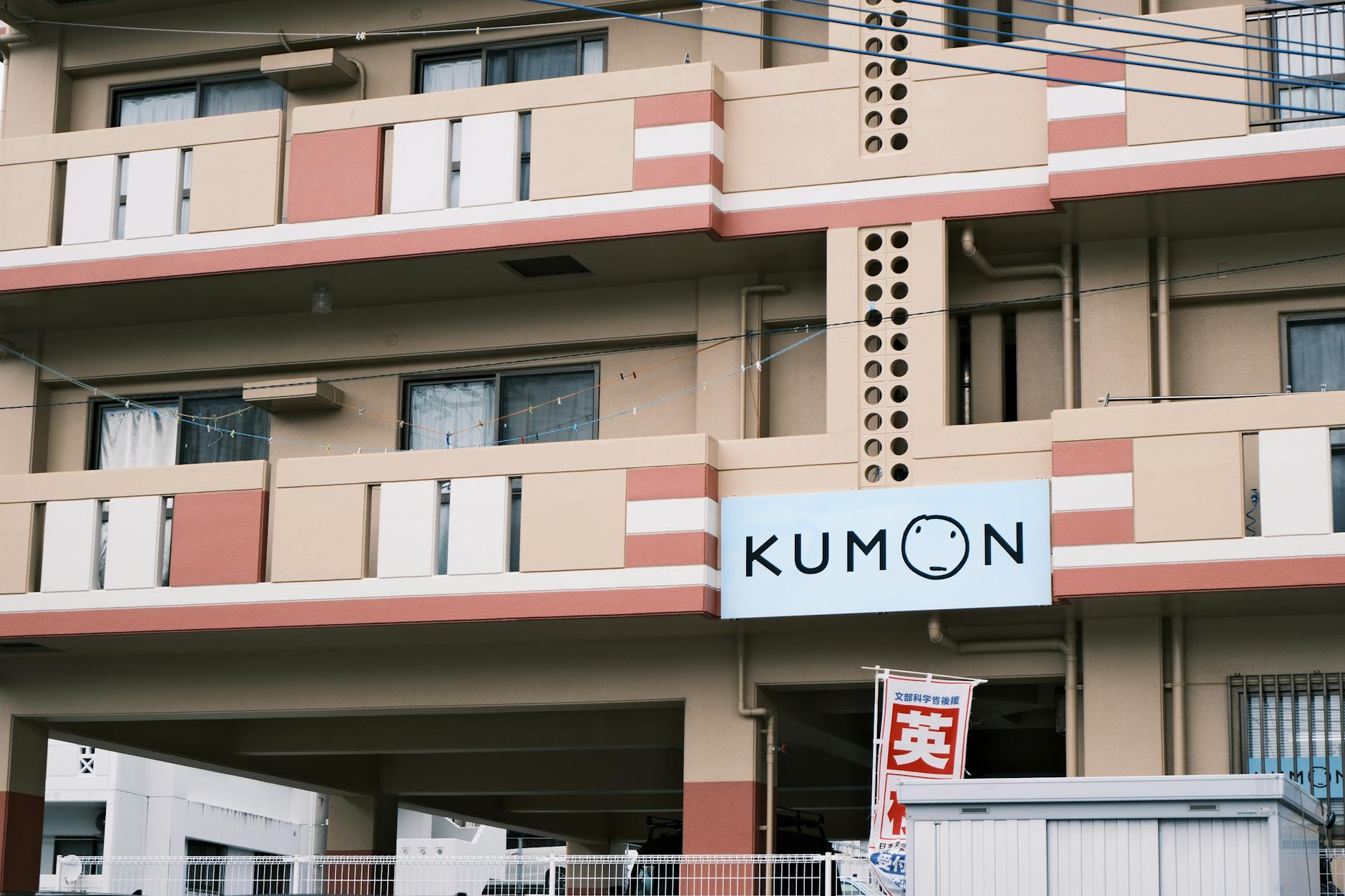
Before any Australian borrower starts fantasising about a $106K Tokyo pad, it’s important to grasp the structural differences:
- Age and Devaluation: A 1990-built apartment in Japan is considered old, and its building value may be marked down aggressively. Australian lenders typically won’t touch overseas property as security unless it’s in select stable markets with transparent title systems.
- Vacancy and Yield: While gross rental yields in Japan can be 4–6%, net yields may shrink due to management fees, maintenance, and vacancy periods. It’s not passive income heaven.
- Banks Don’t Cross Borders: An Australian mortgage broker cannot bundle a Japanese home loan into your local Aussie portfolio. You’ll have to deal with Japanese banking entirely separately.
- Mortgage Tax Deductions: Australia allows negative gearing on local investment properties, but claiming deductions on a foreign property can be complex and limited under ATO rules.
So while the Reddit r/FirstTimeHomeBuyer: I did it! West Tokyo, $106K USD, 1.1% story is inspiring, it’s not a repeatable template for the average Australian wage earner.
What $106K USD Buys You in the Australian Property Market
AUD $158,000 – the approximate local equivalent – won’t even cover a 15% deposit in most capital cities. According to CoreLogic’s 2024 data, Sydney’s median unit sits above $800,000. Even in affordable capitals like Darwin or Adelaide, the smallest entry-level units hover around $300K. A $158K outright purchase might secure:
- A studio apartment in a remote South Australian town
- A block of land with no immediate utility in parts of regional Tasmania
- A car park in some Melbourne CBD off-market deals
This stark contrast is why the story went viral. It feels like a cheat code when an Australian buyer is staring down decades of mortgage stress. But remember: Japan’s stagnant wage growth, two-decade deflation cycle, and overall economic story have created home prices that are as much a product of macro malaise as they are opportunity.
FAQ: Reddit r/FirstTimeHomeBuyer Tokyo Story & Australian Mortgages
Is it really possible for an Australian to get a 1.1% home loan in Japan?
Only residents with local income and tax history can access domestic rates. Non-resident foreigners typically face rates between 2.5% and 4.5% from specialist lenders. The 1.1% rate is reserved for people the Japanese banking system considers zero-risk, long-term locals.
Can I use my Australian mortgage broker to buy a property in West Tokyo?
No. Mortgage brokers in Australia are licensed to deal with Australian lenders and loan products. You would need to engage a Japan-based financial institution or an international mortgage specialist familiar with Japanese property law.
What are the tax obligations for an Australian tax resident owning Japanese property?
You must declare any rental income to the ATO, and if you sell, capital gains tax may apply. There is a Double Taxation Agreement between Australia and Japan, but you’ll need professional tax advice to navigate credits and deductions properly.
Why are Japanese interest rates so low compared to Australia?
The Bank of Japan has maintained ultra-loose monetary policy for decades to combat deflation, while the RBA actively fights inflation. Japan’s aging population and low consumer demand also suppress long-term borrowing costs, creating a mortgage environment that Australia is structurally unable to replicate.
Conclusion: Inspiration, Not Replication
The Reddit r/FirstTimeHomeBuyer: I did it! West Tokyo, $106K USD, 1.1% post is a fascinating case study in global real estate extremes. It underlines how geography, monetary policy, and local market norms can radically reshape what a first-home purchase looks like. For Australian mortgage borrowers, the actionable insight isn’t to chase Japanese interest rates, but to adopt the strategic thinking behind the purchase: flexible location choices, choosing value over luxury, and structuring your borrowing as efficiently as possible. At Arrivau, we’re committed to helping you find the best possible loan structure in the Australian market, so you can write your own first-home success story – even if the rates aren’t 1.1%.